

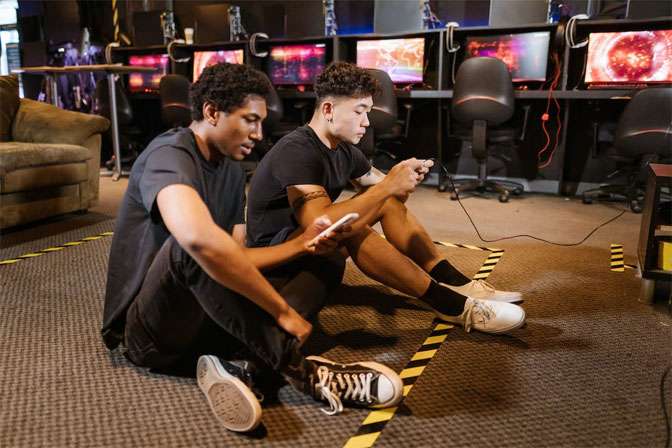
Video games are often viewed as a source of entertainment, but modern research shows they can also help develop important mental skills. Many games challenge players to think critically, adapt quickly, and solve problems in creative ways. Even digital entertainment platforms like Bigbunny Casino reflect how online interactive experiences continue to grow in popularity and strategic engagement. Today, video games are not just about fun—they also encourage learning, decision-making, and cognitive development.
Video Games Improve Strategic Thinking
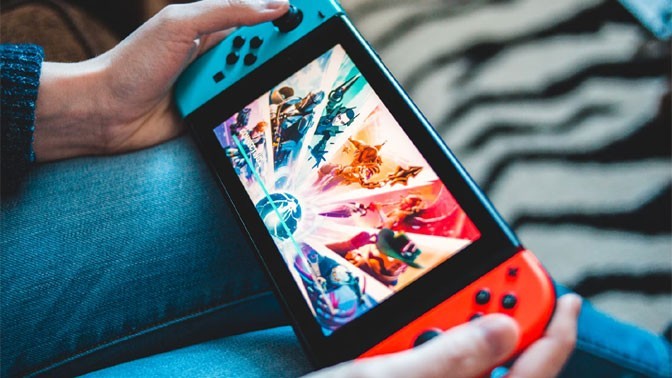 Many video games require players to plan ahead and make decisions under pressure. Strategy games especially encourage players to think carefully before acting.
Players often need to:
- Manage resources
- Predict outcomes
- Adapt to changing situations
- Create long-term plans
Research shows that strategy-based games can improve cognitive flexibility and decision-making skills.
Games such as real-time strategy titles train players to analyze situations quickly and respond effectively. This helps improve logical thinking and planning skills that can also apply to real-life situations.
Problem Solving Skills Become Stronger
Problem solving is one of the biggest benefits of gaming. Many games present puzzles, missions, and obstacles that require players to think creatively.
Puzzle and adventure games often involve:
- Finding hidden solutions
- Understanding patterns
- Using logic and reasoning
- Learning through trial and error
Studies explain that video games improve problem-solving abilities because players constantly face challenges that require quick thinking and adaptation.
Games encourage players to learn from mistakes and try different strategies until they succeed. Over time, this strengthens analytical thinking and adaptability.
Video Games Encourage Creativity
Creativity is another skill that can improve through gaming. Open-world and sandbox games allow players to build, customize, and experiment freely.
Games that support creativity often include:
- Building systems
- Character customization
- Open-ended exploration
- User-generated content
Research suggests that games promoting exploration and experimentation can increase imagination and creative thinking.
For example, games like Minecraft encourage players to design structures and create unique solutions. This freedom helps stimulate imagination and innovation.
Games Improve Adaptability and Decision-Making
Video games constantly introduce new challenges and unexpected situations. Players must react quickly and adjust their strategies.
This helps improve:
- Mental flexibility
- Fast decision-making
- Focus and attention
- Adaptability under pressure
Experts explain that gaming environments require players to process information rapidly while handling multiple objectives at once.
These skills can become useful in work, school, and daily problem-solving situations.
Multiplayer Games Build Teamwork Skills
 Online multiplayer games often require cooperation between players. Teams need to communicate effectively and work together to achieve goals.
Gaming can help improve:
- Communication
- Leadership
- Collaboration
- Team coordination
Research involving teens showed that many players believe gaming helps strengthen friendships, collaboration, and teamwork.
Working together in games teaches players how to coordinate strategies and support teammates during challenges.
Gaming Can Support Cognitive Development
Studies continue to explore the cognitive benefits of gaming. Research suggests that certain games can improve:
- Memory
- Attention span
- Visual processing
- Learning speed
Some experts believe action and strategy games can help keep the brain mentally active when played in moderation.
Because games involve active participation, they engage the brain differently compared to passive activities like watching videos.
Balance and Responsible Gaming Matter
Although gaming can provide benefits, moderation remains important. Excessive gaming may negatively affect sleep, health, and daily responsibilities.
Experts recommend:
- Taking regular breaks
- Limiting gaming time
- Maintaining healthy routines
Balanced gaming habits help players enjoy the positive effects of video games without creating unhealthy behavior patterns.
Responsible gaming allows players to benefit from mental stimulation while still maintaining a healthy lifestyle.
Conclusion
Video games are more than just entertainment. Many games improve strategy, creativity, and problem-solving skills by encouraging players to think critically, adapt quickly, and explore new ideas.
Research continues to show that gaming can strengthen cognitive abilities, teamwork, and decision-making when played responsibly. From strategic planning to creative exploration, video games provide interactive experiences that challenge the brain in meaningful ways.
When balanced with healthy habits, gaming can become a positive activity that supports learning, creativity, and personal growth in today’s digital world.