


If you’ve ever wondered how does Valorant boost work, the short version is this: you pay a higher-skilled player (or a service) to help you gain rank, win games, or finish goals faster than you could on your own. That help can happen by someone playing on your account, by queueing with you, or by coaching you so you climb yourself.
Boosting is often used by players dealing with long ranked progression, inconsistent match outcomes, or time constraints. Before diving into boosting services, it is important for one to know how the process works, what is being paid for, and the possible risks involved.
What is Valorant Boosting?
 Valorant boosting is a service by Eloboss that provides access to Radiant-level boosters who handle rank progression, placement matches, and net wins, with features such as VPN protection, self-play, and account-based boosting across PC and other platforms.
There are two broad categories:
- Someone plays for you (fastest, highest risk)
- Someone plays with you or teaches you (slower, usually safer)
A lot of sites market it as “Elo boosting” or “MMR boosting.” In Valorant terms, what you feel is RR and rank movement, even if matchmaking has extra hidden layers behind the scenes.
How Does Valorant Boosting Work?
Almost all orders proceed according to a set pattern. Some may vary by company, but here’s what you can expect.
Pick a Clear Goal
First things first, pick your end result. Typical objectives might be:
- Current rank to desired rank (for example, Gold to Platinum)
- A specific RR target inside a rank
- Winning a bundle of ranked games
- Placement matches for a new act
The more specific you are, the easier it is to estimate time and cost.
Choose the Method: Account Share, Duo Queue, or Coaching
That’s the most important choice because it affects both experience and risks.
Account sharing will usually be the quickest, as the booster gets to do everything he wants. Duo queue is playing together with the booster. Coaching focuses on the player getting better but also involves playing individual games.
Provide Access or Schedule Sessions
- In case of account boosting, you provide the login information and play yourself.
- For duo boosting, you friend each other and enter the queue during agreed time slots.
- For coaching, you make appointments for viewing videos and practicing.
In addition, many services offer additional features like private stream access.
The Booster Plays Until the Target is Reached
A decent booster will generally:
- Stick to comfort agents and impactful roles
- Refrain from experimenting too much in case of throwing games
- Use time blocks fitting your region and usual hours
“Our pro players have appropriate gaming backgrounds, have reached the Radiant rank, or have participated in tournaments,” says Eloboss, a Valorant boosting service.
It seems that some boosting services prefer gradual rank progression over sudden jumps, as it helps reduce detection risks and creates a smoother transition when returning to regular matchmaking.
Handover and Aftercare
As soon as the goal is achieved, the boosting service ends. It’s better to consider the following actions beforehand when buying since boosting services often make an account feel strange if it’s immediately put into the ranked queues.
Therefore, the smart move would be to create a transition plan:
- Try playing unrated or swiftplay first
- Queue together with people you trust to play ranked
- Think about arranging a coaching session to maintain your performance
Types of Valorant Boosting
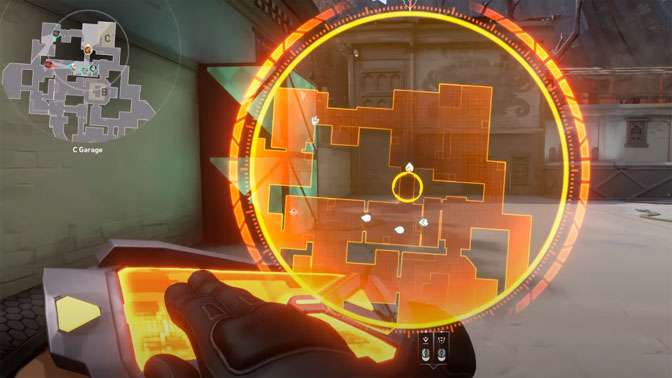 Boosting isn’t one single product. Here are the main types players run into.
Account Boosting
A booster logs into your account and plays ranked on your behalf.
Why people choose it: it’s the quickest way to move RR and rank with minimal effort from you.
Main downside: it requires account sharing, which creates security concerns and has the highest detection and penalty risk if flagged.
Duo Boosting
The other person queues with you, playing on their own account, while you play on your account.
Why they prefer it: You retain ownership of your account, and there are learning opportunities since you can observe how they fight, rotate, and play. Cons: You will still need to play well enough to achieve wins, and the progression rate will likely be lower compared to piloting.
Coaching
A coach analyzes your VODs, spectates your gameplay, and performs custom training exercises focused on mechanics and decision-making skills.
Why they prefer it: It’s the most forward-thinking choice as the player develops instead of relying on external assistance for rank progression. Cons: It won’t guarantee immediate ranking progress if your problem lies in maintaining consistent performance across many matches.
Placement Help and “Wins” Packages
Sometimes players do not want assistance outside of placement matches or wish to receive a predetermined amount of ranked wins.
Why they prefer it: It involves less time commitment compared to a complete rank-to-rank order. Cons: This may still result in an imbalance between your ranking and confidence in your abilities due to the significant leap.
What Are the Benefits of Valorant Boosting?
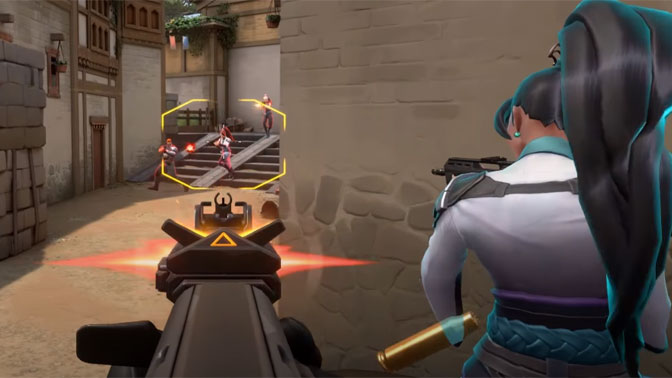 Players usually pay for boosting because it solves a specific pain point, not because they hate the game.
Here are the real benefits people chase:
- Saving time when they can’t grind nightly
- Skipping the most chaotic ranks where AFKs and trolls feel common
- Hitting end-of-act goals for seasonal rewards before the deadline
- Being able to queue with higher-ranked friends sooner
- Getting a confidence boost from seeing higher-level play up close (mostly with duo boosting or coaching)
One underrated perk of duo boosting and coaching is that you can pick up habits that actually stick, like better crosshair placement, cleaner trading, and smarter utility timing.
Why Do Players Use Valorant Boosting?
Most motivations can be placed in several categories, and they are usually more emotional than rational.
The first group of players has trouble moving up since their results are unpredictable, meaning they struggle to maintain consistent results. According to Eloboss, a Valorant boosting service, many players prefer duo boosting when they want to stay involved in the process while still improving their overall performance and understanding of the game.
Another motivation comes from the social aspect. There is a cap on the maximum rank of some Valorant modes, and thus the person cannot play with his/her friends.
Finally, there is a deadline factor that motivates players to pay for boosting. This occurs when the season is ending, and one needs to achieve the peak rank.
Conclusion
How exactly does Valorant boost happen in reality? The client sets a goal, selects one of three approaches: boosting an account, using a duo queue, or hiring a coach. In all cases, a more experienced player will help the client achieve their desired result, either by providing quick victories, consistent play, or proper coaching.
Boosting, although effective and time-saving, entails certain risks: the chance of being detected and penalized by Riot, security threats related to account sharing, and most importantly, adjusting to a higher rank after completion may require adaptation. The key here is selecting the approach that is suitable for the particular objective – when it comes to obtaining a fast badge, players tend to opt for piloting.