
Reentry: A Space Flight Simulator is not the kind of game you casually pick up for a few minutes after dinner. This is a deep, demanding and often intimidating simulation that asks players to do far more than simply point a rocket toward the sky and hit a launch button. Instead, it drops them into the cramped cockpits of historic spacecraft like Mercury, Gemini and Apollo and expects them to learn how those machines actually worked. That means understanding switches, dials, checklists, computer inputs and mission procedures in a way that feels much closer to astronaut training than to traditional gaming. And for the right kind of player, that is exactly what makes Reentry so special.
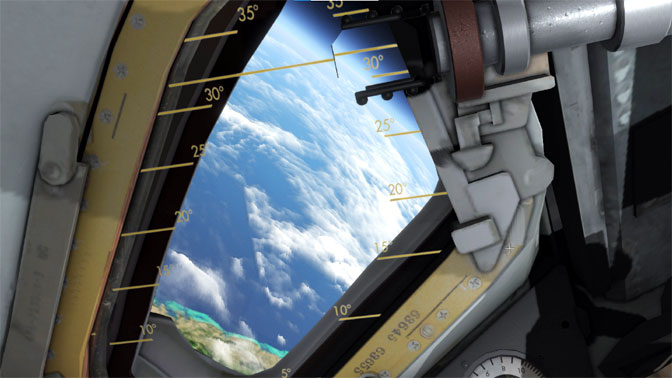 Reentry is available now on the Steam platform. I actually ran across it while writing my column for NextGov/FCW magazine, which is a government-focused publication where the subjects I cover need to be very realistic. That’s not a problem for Reentry. In fact, one of the first things that stands out about Reentry is its incredible attention to detail. Almost every switch, knob and control inside the spacecraft is functional. In most space-based adventures, cockpit interiors are little more than decoration. Here, they matter. If you flip something, it usually does exactly what it’s supposed to do in real life. That level of authenticity gives the entire simulation a real sense of weight and seriousness. It also means that players cannot just mash buttons and hope for the best. Reentry expects you to learn your ship, respect its systems and follow procedures carefully if you want to survive.
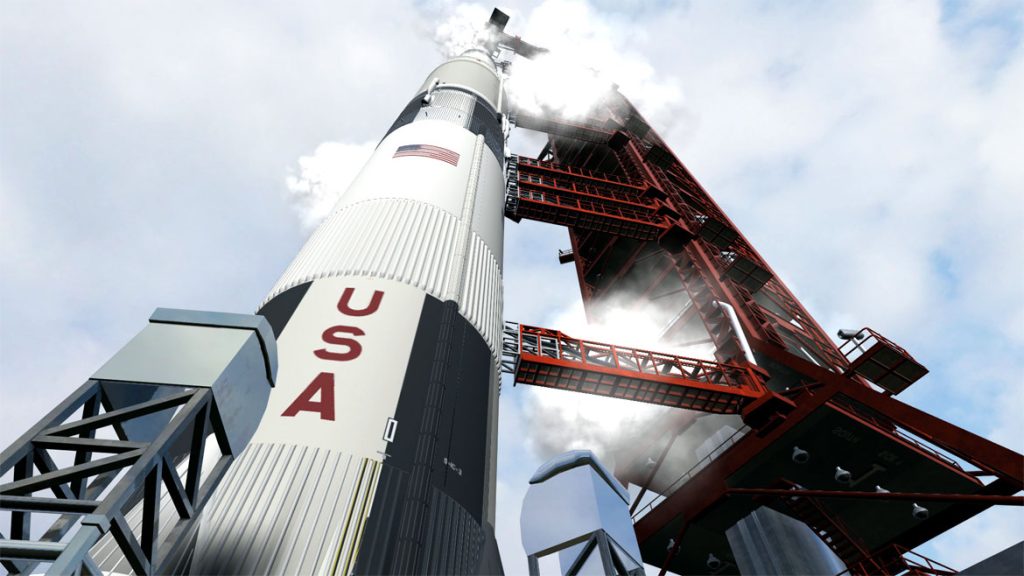
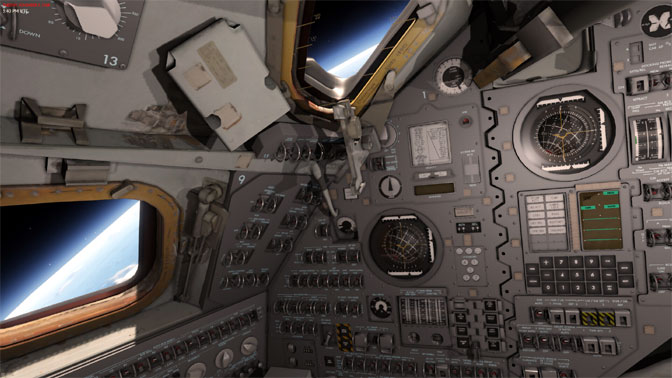 Visually, this space flight simulator is excellent. The spacecraft interiors look amazing, the modules feel lived in and authentic, and the overall presentation does a lot to sell the fantasy of taking part in the early space program. The best moments come during launch. Everything shakes violently as the rockets come alive, and the effect is dramatic in a way that never really gets old. Combined with the sound design, which captures the roar and strain of liftoff beautifully, those sequences feel thrilling and even a little terrifying. The first time I experienced a liftoff in Reentry, I actually wondered what the heck I had gotten myself into. It does a great job of making the launch feel like a barely controlled act of engineering rather than a smooth theme park ride.
The audio deserves a lot of credit too. There is a real punch to the soundscape, especially when systems come alive and the mission starts to build momentum. Whether you are hearing the violent force of the launch or the more subdued but constant hum of machinery inside the capsule, the sounds help reinforce the realism. It’s not just there for atmosphere either. It’s part of the experience of being sealed inside the spacecraft and trying to make sense of everything happening around you.
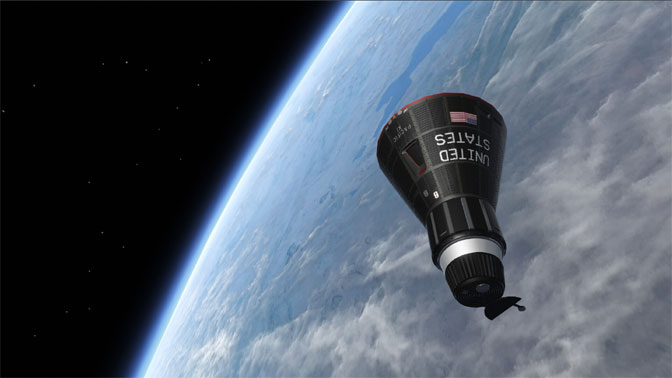 What really sets Reentry apart, however, is the way it handles learning. This is a simulation that assumes players actually want to know how things work. The training missions are modeled after real procedures, and progress often means studying manuals, following checklists and repeating tasks until they become familiar. There is very little handholding. For some players, that will be a huge part of the appeal. Reentry does not cheapen the experience by stripping away complexity. It invites players to engage with that complexity and then rewards them with the satisfaction of mastering it. When you finally manage to reach orbit, complete a mission objective or survive reentry without turning into a fireball, it feels earned.
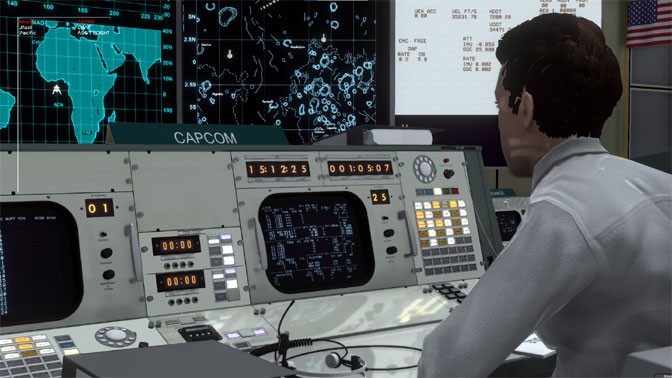 That said, the learning curve is undeniably steep. In fact, it’s almost absurdly steep by normal video game standards. This is a simulation that comes very close to demanding actual astronaut-school levels of focus and patience. Some people are going to bounce right off that. They will look at the layers of procedure, the flood of instruments and the amount of study required and decide that there are easier ways to spend their free time. That is a fair reaction. Reentry is not built for everyone, and it does not really try to be. But for players willing to invest the effort, the payoff is tremendous. Few titles offer players such a strong sense of accomplishment when finally doing what once seemed impossible.
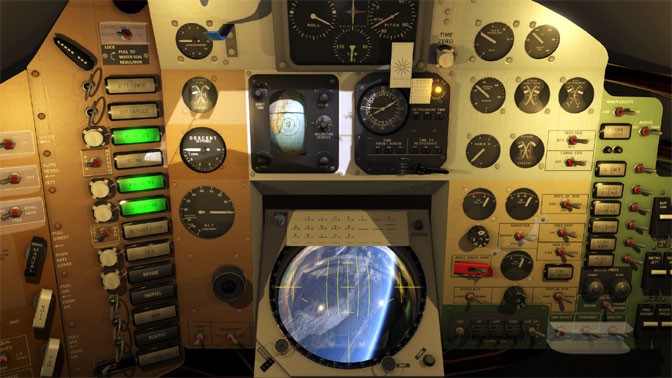 It also helps that the subject matter is so compelling. Flying those early spacecrafts is not just mechanically interesting. It’s historically fascinating. Reentry gives players a much clearer understanding of just how brave and skilled those early astronauts really were. After wrestling with the procedures, trying to manage every subsystem and feeling the chaos of launch for yourself, it becomes impossible not to come away with a deeper appreciation for the people who did this for real. That educational value is a big part of the package, and it elevates Reentry beyond being just another hard-core sim.
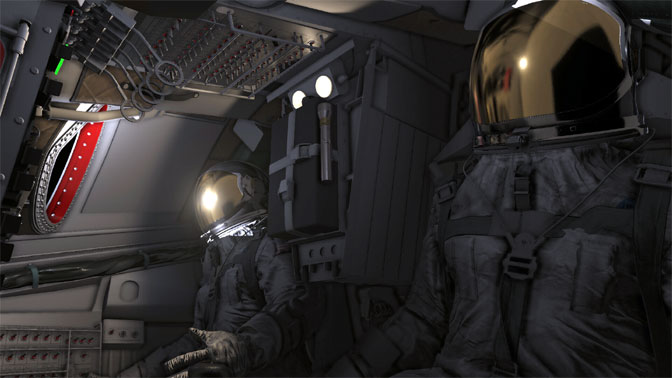 In the end, Reentry: A Space Flight Simulator is one of the most rewarding simulations I have played in a long time. It looks great, sounds authentic and delivers a rare kind of satisfaction that only comes from mastering something genuinely difficult. The barrier to entry is high, and not every player will want to climb that mountain. But for those willing to commit the time and effort, Reentry offers a spectacular payoff and a thrilling way to experience the early days of spaceflight from inside the capsule. It is not just a game about going to space, it’s about earning your place in it.