
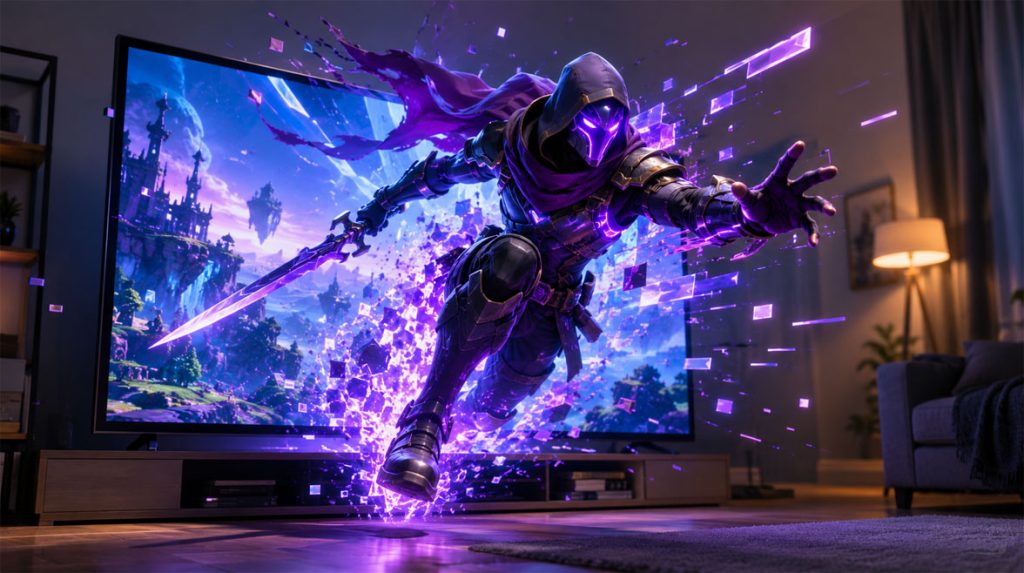
There was a time when a great video game character could dominate a weekend and then disappear back into the save file. Now the same characters follow players into group chats, convention halls, streaming backgrounds and collector shelves, turning a finished game into something much harder to switch off.
A character that once existed as pixels or polygons can now become part of a player’s daily environment.
Games are not just entertainment products anymore. They are identity markers, social signals and emotional touchpoints.
As gaming libraries become more digital, the objects around games have become more meaningful. A downloaded title may disappear into a console menu, but when a character starts showing up in art books, posters, collector’s pins, plush toys or even Funko figures, you can tell they have really broken through.
Gaming Has Become a Shared Cultural Language
One reason video game characters travel so well beyond the screen is that gaming itself has become broader and more mainstream. It is no longer a niche hobby defined by one age group, one platform or one type of player.
The Entertainment Software Association’s 2025 Essential Facts report found that 205.1 million Americans play video games, with 60% of adults playing every week and the average player now aged 36. The same report also highlights that games are used for relaxation, fun, mental stimulation and connection across generations. That kind of reach changes the way characters function in culture. They are no longer only recognized by the most dedicated players. They are understood by families, friends, stream audiences and casual fans too.
A Sonic item on a shelf means something different depending on who sees it. For one person, it might be childhood nostalgia. For another, it might be speed, attitude and Saturday morning energy. A Five Nights at Freddy’s character can signal horror fandom, YouTube culture or the strange appeal of mascot terror. Mario, Kirby, Master Chief, Lara Croft and countless others work in the same way. They carry memories with them.
That recognition is powerful. It allows gaming characters to move across formats without losing their meaning.
Players Do Not Just Finish Games Anymore
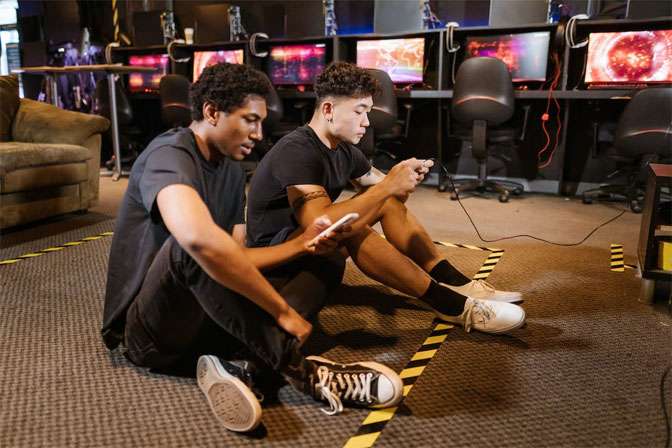 The old idea of “finishing” a game has become less useful. Players may complete the story, but the relationship often continues. They follow the studio, watch speedruns, discuss theories, share clips, buy merch, attend panels, collect art and wait for the next announcement.
This is especially true for characters with strong visual design. A great game character can be identified in a second, even outside their original setting. The silhouette, colors, expression or costume do a lot of the work. That is why certain characters are so easy to translate into collectibles, apparel or fan art. Their design already feels like a symbol.
For publishers and developers, this matters because characters can keep a game alive between releases. A franchise with memorable characters does not go silent when the latest title stops trending. Fans continue to post, collect, remix and display what they love. The game may be paused, but the fandom stays active.
Physical Collecting Feels Different in a Digital Age
The rise of digital gaming has made physical objects feel more intentional. Many players no longer own shelves of boxed PC games or stacks of manuals. Their libraries are often hidden behind login screens and platform icons. That convenience is hard to beat, but it has also made gaming feel less visible in the home.
Collectibles help fill that gap. They turn a private digital habit into something that can be seen. A figure beside a monitor, a poster above a desk or a plush on a couch tells a small story about the player. It says what they enjoy, what they remember and what fictional worlds they want close by.
This is not only about ownership. It is about atmosphere. Gaming setups have become personalized spaces, especially in the age of streaming and social video. Background shelves are no longer accidental. They are part of the frame. They communicate taste before the creator even speaks.
A player’s room can now work like a mini museum of fandom. Every object is a reference. Every character is a conversation starter.
Conventions Show How Far Characters Can Travel
Gaming conventions make this shift impossible to miss. A modern convention floor is rarely just about trying demos. It is a blend of playable previews, cosplay, panels, tournaments, merch booths, artist alleys, photo ops and community meetups.
In that environment, characters become more than game assets. They become shared experiences. A cosplayer brings one version to life. A fan artist reimagines another. A collector finds a version to take home. A streamer spots a familiar face in the crowd and turns it into content.
This is where the line between player and fan gets blurry in the best way. Someone might attend for a new game demo, then leave with a print, a pin, a plush or a figure connected to a character they already love. The character has escaped the screen because the fan has given it permission to exist everywhere else.
The Best Characters Are Built to Be Remembered
Not every video game character becomes a lasting icon. The ones that do usually share a few traits. They are easy to recognize, emotionally clear and flexible enough to survive outside one scene or story. They can be cute, strange, heroic, frightening or funny, but they need to make an impression quickly.
This is why horror mascots, platform heroes and colorful side characters often perform so well in fan culture. They do not require much explanation. Their appeal is immediate. A glance is enough.
That instant recognition is also why younger franchises can sometimes move very quickly into merchandise and collectibles. If a character becomes a meme, a cosplay favorite or a streaming phenomenon, it may reach audiences far beyond the people who have actually played the game. In some cases, fans meet the character through clips, merchandise or community content before they ever touch the original title.
That might have sounded backwards years ago. Now it feels normal.
The Screen Is Only the Starting Point
The reason video game characters are escaping the screen is simple: players want them to. Games create worlds that people spend real time inside, and the best characters become attached to real memories. When a character represents childhood, friendship, fear, comfort or achievement, it is natural for fans to carry that connection into physical spaces.
A game may begin on a screen, but fandom rarely ends there. It moves onto shelves, into convention halls, across social feeds and through the objects players choose to keep around them.
That does not make the game less important. It proves the game worked. A character has truly landed when players still want to see them after the controller is down.